
JUNK RESPONSE GUIDE
Storage Unit Cleanouts in Massachusetts: How to Empty a Unit Efficiently
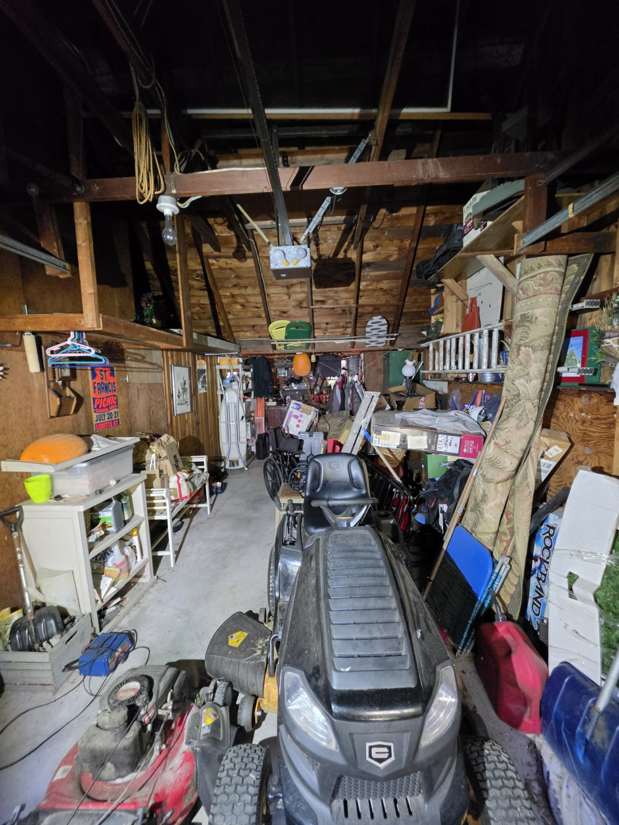
Storage units compress years of decisions into a small space. Because items are stacked tightly, the amount of material can be difficult to judge from the doorway and the most important items may be buried in the back.
Open the unit before estimating if possible
A single doorway photo rarely shows depth, stacked height, heavy items, or what is hidden behind furniture. Multiple angles and a view from inside the unit create a more useful estimate.
If the unit cannot be entered safely, disclose that rather than guessing.
Decide whether the job is removal or sorting
A unit where everything goes is much faster than one where every box must be opened. If the customer needs a detailed keep/discard sort, that labor should be part of the scope.
Create a keep zone outside the removal path so selected items do not get mixed back into the load.
Identify unusually heavy or special items
Safes, machinery, appliances, tires, chemicals, propane cylinders, large toolboxes, and dense materials should be disclosed before scheduling.
These items can change equipment, disposal, or staffing needs.
Coordinate with the storage facility
Facilities may have gate hours, elevator access, loading rules, carts, parking restrictions, or requirements about leaving the unit swept and unlocked.
Knowing the facility’s process in advance prevents wasted time.
Photograph the empty unit at completion
If the customer is closing the rental remotely, an after photo provides simple proof that the unit was cleared.
Confirm whether the facility expects the lock removed or any other final step.
Local planning in Massachusetts
Storage facilities throughout Haverhill, Lawrence, Peabody, Salem, Revere, Boston, and surrounding communities vary widely in access. Ground-level drive-up units are straightforward; interior units with elevators and long corridors can add significant retrieval time.
The practical takeaway
Storage unit cleanouts are easiest when the keep/remove decision is made first, unusual items are disclosed, facility rules are known, and completion is documented before the account is closed.
For a property-specific plan, start with photos or contact Junk Response. You can also review our Q&A for pricing, cleanout labor, demolition, specialty conditions, and commercial workflows.

