
JUNK RESPONSE GUIDE
Special Cleaning After a Heavy Cleanout: What an Empty Room Can Still Need
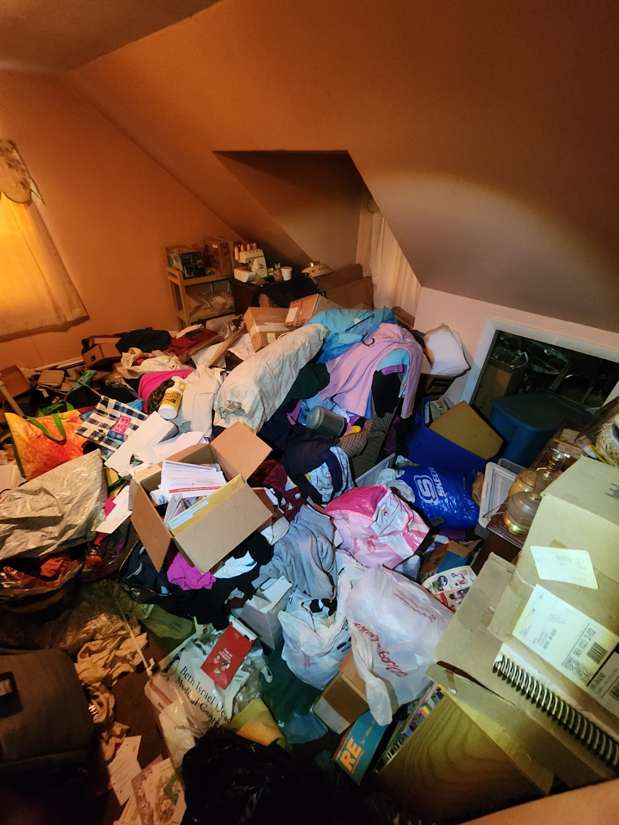
Removing the contents can completely change a property and still leave the space far from ready. Heavy clutter and long-term accumulation often hide residue, dust, staining, pest evidence, odors, and surfaces that have not been accessible for years.
Removal exposes the real condition
Furniture, boxes, clothing, food packaging, stored materials, and floor-level clutter can cover large portions of a room. Once those contents are gone, previously hidden baseboards, floors, wall surfaces, cabinets, and corners become visible.
This is the point when the property owner can finally see whether ordinary cleaning is enough or whether a more controlled specialty-cleaning scope is needed.
Not every dirty property is the same
Heavy dust and ordinary household soil are different from rodent contamination, fecal residue, urine saturation, spoiled food, decomposition-related material, or unknown substances.
The cleaning method should follow the condition actually present. A crew should not automatically use the same process for every heavily cluttered property.
Start with dry debris and gross soil
Detailed cleaning is more effective after loose debris and bulk soil have been removed. Trying to disinfect or deodorize a surface that is still covered with dirt or residue does not address the underlying condition.
A logical sequence is removal, gross cleaning, detailed cleaning, specialty treatment where appropriate, then final inspection.
Odor should be traced to a source
Fragrance is not source removal. If odor remains after a cleanout, investigate whether it is coming from porous contents that remain, flooring, subfloor, walls, cabinets, pest contamination, moisture, or another source.
Deodorizing works best after removable sources are addressed.
Decide what ‘ready’ means
A property being sold as-is may need a different cleaning standard from an apartment being turned for a new tenant. A renovation property may only need surfaces exposed and gross soil removed so trades can begin.
The cleaning scope should match the next use, not an arbitrary idea of perfection.
Local planning in Massachusetts
Older Massachusetts homes can have basements, attics, enclosed porches, and storage rooms that have accumulated contents for decades. In places like Haverhill, Salem, Lynn, Peabody, and Boston, heavy cleanouts often reveal conditions that could not be evaluated until the rooms were cleared.
The practical takeaway
Do not assume an empty property is a clean property. Once contents are removed, evaluate what remains, identify the source of residue or odor, and choose the cleaning level based on the next use of the space.
For a property-specific plan, start with photos or contact Junk Response. You can also review our Q&A for pricing, cleanout labor, demolition, specialty conditions, and commercial workflows.

