
JUNK RESPONSE GUIDE
Shed Removal in Massachusetts: What to Know Before Demolition and Hauling
Removing an old shed looks simple until the project starts. The structure may be full of contents, anchored to a slab, wired for power, surrounded by fencing, or built from materials that behave very differently once demolition begins.
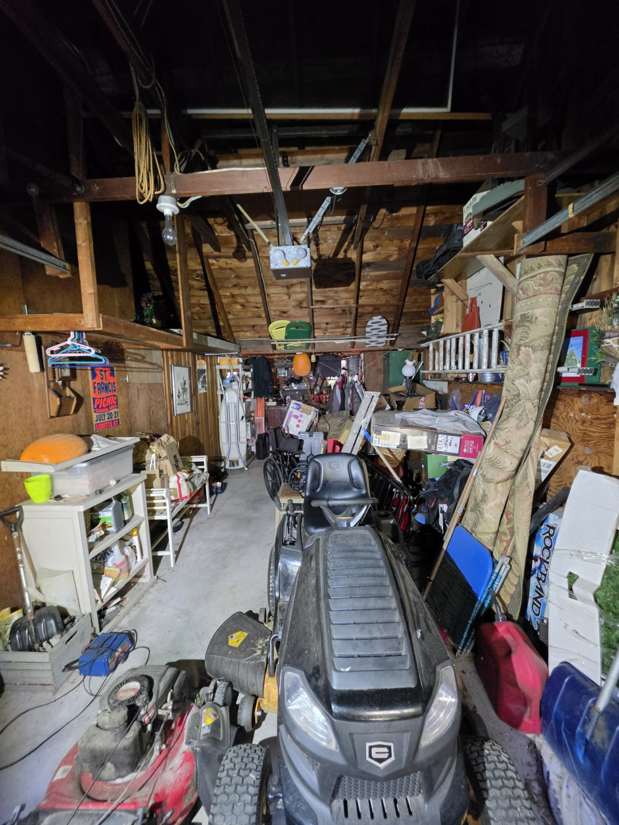
Empty the shed before estimating demolition
A shed full of tools, chemicals, lawn equipment, shelving, or household storage is two jobs: contents removal and structure removal. Photograph both separately.
Clearing contents first also exposes the floor, anchors, rot, pest activity, electrical connections, and other conditions that affect the demolition plan.
Identify how the shed is built
Wood-framed sheds, resin sheds, metal sheds, and heavily built site-constructed outbuildings require different amounts of labor. Roof materials, wall construction, fasteners, shelving, and floor systems all influence how the structure comes apart.
The estimate should also identify whether the shed sits on blocks, gravel, skids, wood framing, concrete, or another base.
Check access for the crew and debris
A shed at the back of a fenced yard can require much more labor than the same structure next to a driveway. Gate width, stairs, slopes, landscaping, pools, retaining walls, and distance to the loading point all matter.
If equipment is contemplated, access needs to be evaluated before the crew arrives.
Do not overlook utilities
Some sheds have electricity, exterior lighting, outlets, buried feeds, or other connections. A demolition contractor should know whether utilities are present and whether they have been properly disconnected or otherwise addressed before removal.
Do not assume a small structure is utility-free simply because it looks like storage.
Define what happens to the base
Removing the shed does not automatically mean removing every foundation component. A concrete slab, piers, blocks, anchors, gravel pad, or buried footing can change the project substantially.
The scope should say whether the goal is structure-only removal or a fully cleared area.
Local planning in Massachusetts
Sheds are common on suburban and older residential properties throughout the North Shore and Merrimack Valley, including Haverhill, Groveland, Georgetown, Boxford, Peabody, and surrounding towns. Yard access varies considerably, so photographs of the route from the shed to the street are just as important as photographs of the shed itself.
The practical takeaway
For an accurate shed-removal plan, show the structure, contents, base, utilities, and access. Decide whether the foundation is included, then price demolition and hauling as one project rather than treating the debris like ordinary household junk.
For a property-specific plan, start with photos or contact Junk Response. You can also review our Q&A for pricing, cleanout labor, demolition, specialty conditions, and commercial workflows.

