
JUNK RESPONSE GUIDE
Selective Demolition vs. Junk Removal: Where One Service Ends and the Other Begins
The line between junk removal and demolition is simple in theory: one removes movable contents, the other removes materials attached to the property. In real projects, the two often overlap.
What ordinary junk removal covers
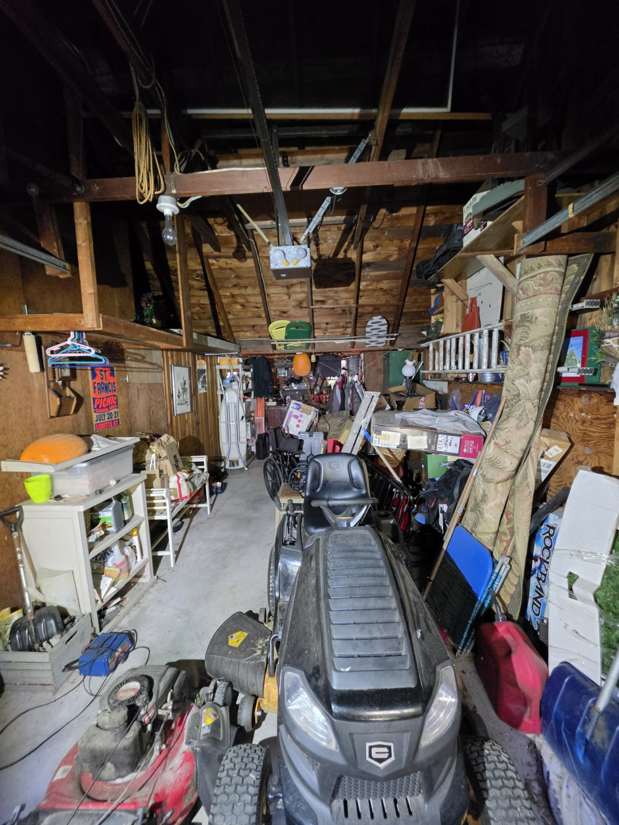
Junk removal is primarily about contents that can be lifted, carried, dismantled if necessary, and loaded for disposal or recycling. Furniture, boxes, shelving, appliances, garage contents, and move-out items are common examples.
Disassembling a bed frame or breaking down loose furniture does not automatically make a project demolition. The distinction is usually whether the item is part of the building or structure.
What selective demolition covers
Selective demolition removes specific attached components without treating the entire structure as a demolition project. Examples include cabinets, vanities, flooring, fixtures, sheds, decks, hot tubs, fences, play structures, and certain nonstructural finishes.
The work requires more planning because fasteners, utilities, construction methods, material weight, and surrounding finishes may all matter.
Why the pricing method is different
Movable junk can often be priced primarily around volume plus labor and special disposal. Demolition requires an estimate of labor to dismantle the material, equipment needs, debris weight, disposal pathway, and cleanup.
A small structure that looks compact before demolition can generate a significant amount of debris once broken down.
Utilities and hidden conditions matter
Before removing fixtures, cabinetry, hot tubs, or other built elements, the crew needs to know whether electricity, plumbing, gas, anchors, footings, or concealed materials are involved.
Unknown conditions should trigger review instead of guesswork. Selective demolition is most efficient when the scope clearly states what is being removed and what must remain undamaged.
Combining demolition and hauling
The biggest operational advantage is combining dismantling with removal. Rather than hiring one company to demolish and another to load the debris, the same scope can often carry the work through cleanup.
That is particularly useful in cleanouts where the property contains both abandoned contents and obsolete structures.
Local planning in Massachusetts
Across Massachusetts, older houses, additions, garages, sheds, decks, and basement build-outs can vary significantly in construction. A photo estimate can start the conversation, but selective demolition should be reviewed for access, materials, utility connections, and disposal before work is confirmed.
The practical takeaway
If it is loose, it is usually removal. If it is built in, attached, anchored, or part of a structure, expect selective demolition review. When both are present, combine them into one coordinated scope.
For a property-specific plan, start with photos or contact Junk Response. You can also review our Q&A for pricing, cleanout labor, demolition, specialty conditions, and commercial workflows.

