
JUNK RESPONSE GUIDE
Pre-Listing Cleanouts in Greater Boston: What to Remove Before Photos, Showings, and Sale
A pre-listing cleanout is not about making a house completely empty. It is about removing what makes the property look smaller, more neglected, harder to photograph, or more difficult for a buyer to understand.
Work backward from the listing photos
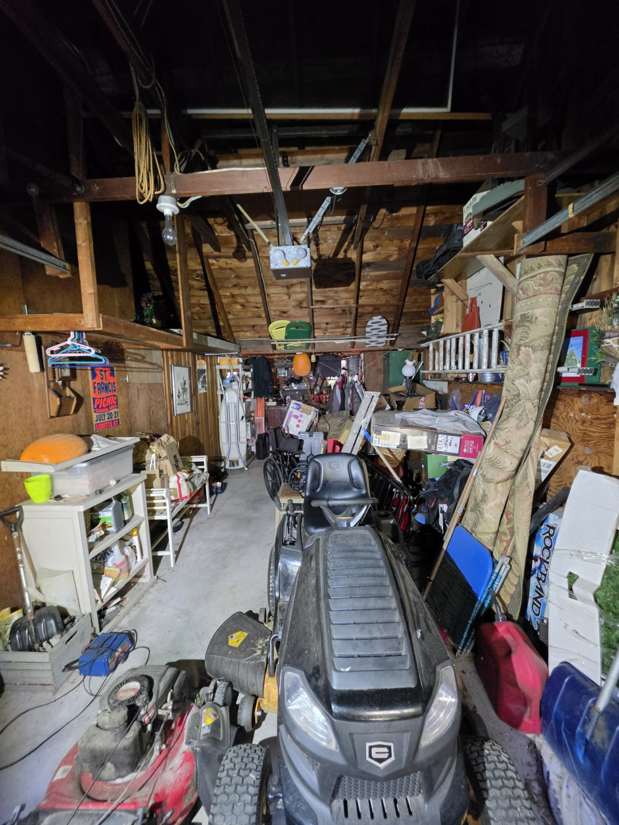
Real-estate photography exposes clutter quickly. Large furniture can make rooms feel tight, storage areas can look unusable, and garages filled wall-to-wall with contents can make buyers assume the property has less functional space.
Walk the property as if the photographer were arriving tomorrow. Remove items that block sightlines, hide floors, overwhelm storage areas, or distract from permanent features.
Prioritize the rooms buyers interpret as storage
Basements, garages, attics, sheds, utility rooms, and closets often become catch-all areas before a sale. Those spaces do not need to look staged, but buyers should be able to see their size and condition.
Clearing them early also exposes issues that may need attention before listing, such as damaged shelving, staining, pest evidence, or items that require special disposal.
Decide what should be demolished instead of merely moved
Sometimes the fastest path to a cleaner listing is selective removal. Broken sheds, rotted shelving, abandoned hot tubs, damaged cabinetry, or obsolete built-ins can create more visual damage than value.
Selective demolition should be considered when an item is clearly not part of the future use of the property and removing it improves access, inspection, or presentation.
Cleaning matters after the contents leave
Removing clutter exposes dust lines, wall marks, floor staining, rodent evidence, and odor sources that were previously hidden. A property can be empty and still look neglected.
Post-removal cleaning should focus on the surfaces buyers will actually see: floors, baseboards, shelves, cabinets, walls where appropriate, and high-contact or visibly dirty areas.
Do not over-improve the property
The goal is not to turn every cleanout into a renovation. Some properties are best sold with minor preparation. Others justify more extensive work. The seller, broker, and investor should decide whether each additional dollar spent is likely to improve presentation, reduce objections, or speed the transaction.
A removal contractor can identify what can be cleared or selectively demolished, but the sales strategy belongs to the owner and real-estate professionals.
Local planning in Massachusetts
In Greater Boston and North Shore markets, space itself is valuable. Clearing a crowded basement in Somerville, an apartment in Revere, or a garage in Peabody can change how buyers perceive usable square footage even when no renovation is performed. Suburban properties farther north may benefit from clearing sheds, garages, and accumulated exterior items before photography.
The practical takeaway
For pre-listing work, remove what hides the property, clear storage areas, address obvious dead-weight structures, and clean the surfaces exposed by the cleanout. The goal is clarity, not perfection.
For a property-specific plan, start with photos or contact Junk Response. You can also review our Q&A for pricing, cleanout labor, demolition, specialty conditions, and commercial workflows.

