
JUNK RESPONSE GUIDE
One Vendor for Removal, Cleaning, and Selective Demolition: When It Actually Helps
Using one vendor is not automatically better. It becomes valuable when the work naturally overlaps and the same property needs removal, selective demolition, and cleaning in sequence.
The advantage is continuity
When one team understands the property from the first walkthrough, later stages require less re-explaining. The crew already knows the access, what was removed, what remains, and what conditions were exposed.
That can reduce repeat site visits and the risk that each vendor assumes another vendor is responsible for the same task.
Cleanouts often reveal demolition needs
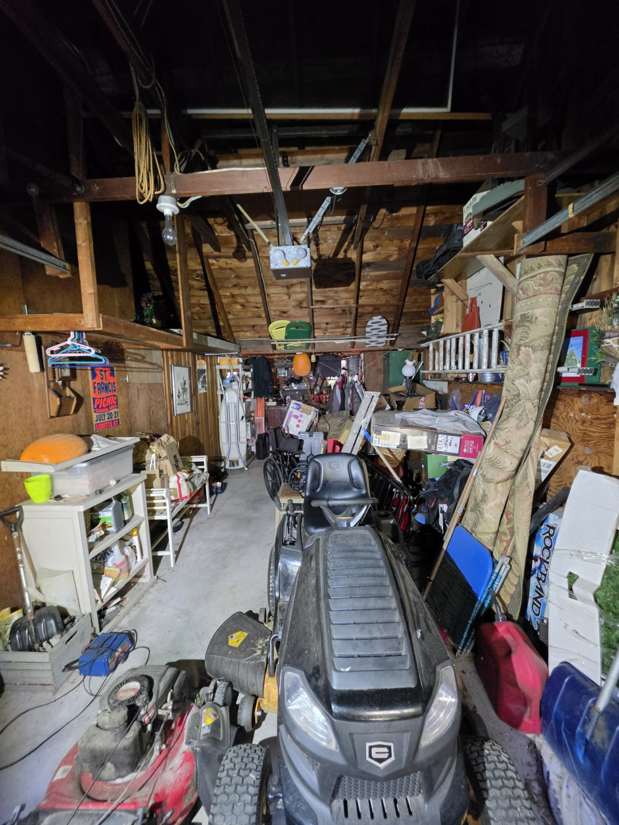
A room full of contents can hide damaged cabinets, flooring, built-ins, or structures that were not visible during the initial estimate.
If selective demolition capability is already part of the plan, those discoveries can be reviewed without restarting the vendor search.
Cleaning is more effective after removal
Detailed cleaning before a room is cleared wastes time. Once the contents are gone, surfaces become accessible and the actual condition is visible.
That makes removal followed by cleaning a logical sequence under one coordinated scope.
One vendor should not mean one vague price
Even when one company performs multiple services, removal, demolition, specialty handling, and cleaning should still be identifiable within the scope.
That keeps the estimate understandable and prevents the customer from paying for undefined ‘all-in’ work.
Know when another specialist is still needed
Some projects require licensed trades, structural work, pest control, hazardous-material professionals, or other services outside a removal company’s scope.
A good one-vendor model reduces unnecessary coordination but does not pretend every property problem belongs to one contractor.
Local planning in Massachusetts
For Massachusetts property managers, investors, executors, and homeowners dealing with difficult properties, multiple mobilizations can be expensive and slow. Combining logically connected services can be especially useful when the property has a firm turnover, listing, closing, or renovation deadline.
The practical takeaway
One vendor helps when the work is sequential and related. Use one point of accountability for removal, demolition, and cleaning where it makes sense, while keeping each scope clear and bringing in outside specialists when required.
For a property-specific plan, start with photos or contact Junk Response. You can also review our Q&A for pricing, cleanout labor, demolition, specialty conditions, and commercial workflows.

