
JUNK RESPONSE GUIDE
Odor Source Removal vs. Deodorizing: Why the Order Matters
Odor treatment is often approached backward. Sprays, fragrance, or equipment are used first even though the source is still sitting in the room. The more reliable order is source identification, removal or cleaning, then deodorizing if needed.
Odor is a clue
A strong smell tells you that something is producing or retaining odor, but it does not tell you exactly where. Upholstered furniture, carpeting, subfloor, cabinets, trash, food residue, rodent contamination, urine, smoke residue, and moisture can all contribute.
Before choosing a treatment, identify the likely source materials.
Remove what can be removed
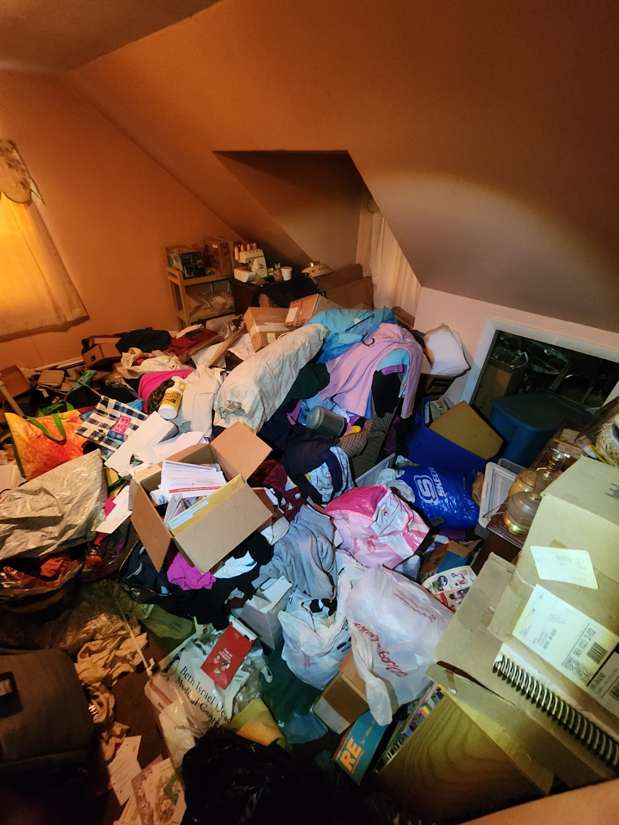
If the odor source is a mattress, heavily affected carpet, spoiled contents, contaminated cardboard, or damaged furniture, leaving it in place makes deodorizing less effective.
Source removal often reduces the odor dramatically before any additional treatment is used.
Clean the surfaces that remain
After contents are removed, residue on floors, walls, baseboards, cabinets, and other surfaces may still contribute to odor. Cleaning should match the material and the condition present.
Porous materials can require a different decision from hard, intact surfaces.
Use deodorizing as a finishing step
Deodorizing can be useful after source removal and cleaning, but it should not be treated as a substitute for either one.
If odor returns quickly after treatment, that is a sign that a source may still be present or that a porous material needs further evaluation.
Set realistic expectations
Some properties have multiple odor sources built up over years. The goal should be to reduce and resolve identifiable sources step by step rather than promise that one treatment will permanently eliminate every smell.
Documenting what was removed and what remains makes follow-up decisions easier.
Local planning in Massachusetts
Odor problems are common in long-vacant homes, hoarding properties, rentals, estates, and animal-affected properties across Massachusetts. Older homes with porous wood, unfinished basements, and layered flooring can hold odors differently from newer finishes.
The practical takeaway
Deodorizing should come after source removal and cleaning. Identify what is causing or holding the odor, remove what can be removed, clean what remains, then treat the residual condition.
For a property-specific plan, start with photos or contact Junk Response. You can also review our Q&A for pricing, cleanout labor, demolition, specialty conditions, and commercial workflows.

