
JUNK RESPONSE GUIDE
Investor Cleanouts Before Renovation: How to Clear a Property Without Slowing the Rehab
For an investor, the cleanout is not the finish line. It is the first production step in the rehab. A poorly planned cleanout can leave trades waiting, hide demolition needs, and force the project to be mobilized twice.
Define the handoff condition for the trades
Ask what the first contractor needs when they arrive. A flooring crew needs clear rooms. A plumber needs access to fixtures and mechanical areas. A general contractor may want cabinets, damaged finishes, or built-ins removed as part of the initial scope.
The cleanout should be written around that handoff condition rather than around a vague instruction to ’empty the house.’
Separate contents, demolition, and specialty cleaning
These are three different kinds of work even when one company coordinates them. Contents removal clears movable items. Selective demolition removes attached materials or structures. Specialty cleaning addresses residue, odor, contamination, or conditions that remain after removal.
Breaking the project into those components makes costs easier to understand and helps prevent the crew from discovering halfway through the job that the scope is fundamentally different.
Expose hidden conditions early
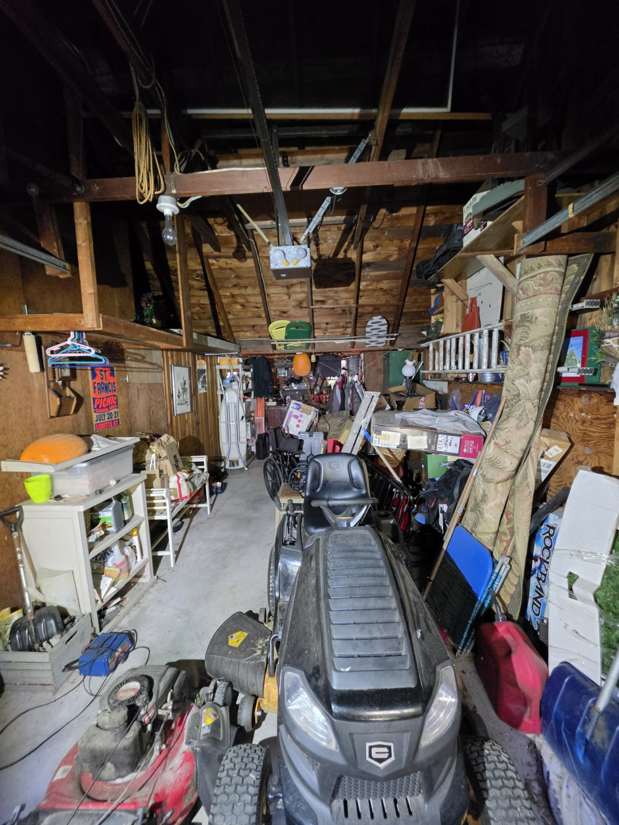
Heavy contents can hide water damage, rodent evidence, damaged subfloors, abandoned wiring, broken fixtures, or other conditions that affect renovation planning.
Investors benefit when the cleanout is scheduled early enough that those discoveries can be incorporated into the rehab scope before subcontractors are committed.
Do not pay skilled trades to haul junk
Carpenters, electricians, plumbers, and finish crews are most valuable when performing their trade. If they spend the first day carrying furniture, bagging trash, or dismantling abandoned shelving, the project is paying trade rates for removal work.
A dedicated cleanout before mobilization can make the renovation schedule more predictable.
Document the starting condition
Before photos give investors a useful baseline, especially when partners, lenders, contractors, or project managers are not all on site. After photos show whether the space is actually ready for the rehab.
They also help identify work that should be added to demolition or cleaning before the next crew arrives.
Local planning in Massachusetts
Investors working throughout Haverhill, Lawrence, Salem, Lynn, Revere, and Greater Boston often encounter older properties where basements, garages, attics, and additions contain decades of accumulated material. Early clearing is especially useful when those areas affect mechanical, electrical, or structural planning.
The practical takeaway
Treat the cleanout as the first construction milestone. Specify the condition the trades need, clear contents, identify demolition separately, address specialty conditions, and hand the property over ready for work.
For a property-specific plan, start with photos or contact Junk Response. You can also review our Q&A for pricing, cleanout labor, demolition, specialty conditions, and commercial workflows.

