
JUNK RESPONSE GUIDE
Hoarding Cleanouts in Multifamily Properties: A Landlord and Property Manager Guide
A hoarding cleanout in a multifamily building affects more than one unit. Shared hallways, neighbors, elevators, stairwells, parking, odors, pests, and building rules all become part of the project plan.
Start with the building, not only the unit
The condition inside the apartment matters, but the building determines how the crew reaches it. Narrow stairs, elevators, common halls, loading restrictions, locked entrances, and limited parking can all affect labor and scheduling.
Before the job, identify the cleanest route from the unit to the loading area and decide how shared spaces will be protected and kept passable.
Control the flow of material
Large multifamily cleanouts can overwhelm hallways quickly if bags and furniture are staged outside the unit. A better process keeps material moving continuously from the unit to the exit rather than building piles in common areas.
This also reduces confusion about which items have been reviewed and which belong to other tenants.
Document the unit before removal
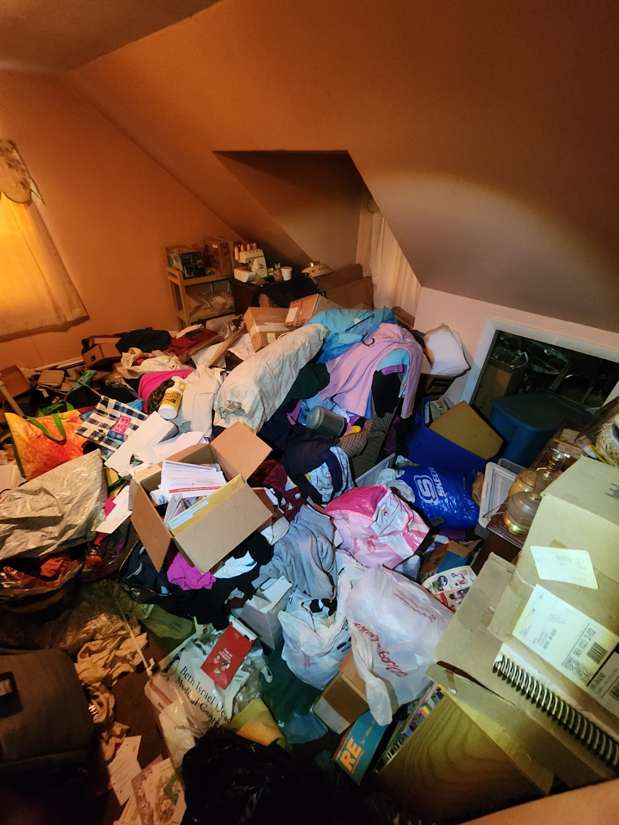
Landlords and managers benefit from clear before photos that show the unit condition, large contents, damaged finishes, and any unusual conditions. Those records can be useful internally even when the property owner is not on site.
After photos should show the cleared rooms and any conditions that remain outside the approved scope.
Separate hoarding contents from specialty conditions
A heavily cluttered unit may also contain rodent droppings, urine, feces, spoiled food, needles, unknown liquids, or pest activity. Those conditions should be disclosed and evaluated rather than treated as ordinary debris.
The project may need to shift from a basic cleanout to specialty handling and post-removal cleaning.
Plan the turnover after the removal
Once the unit is empty, flooring, walls, cabinets, fixtures, and odor sources become visible. The manager should decide whether the next step is ordinary turnover cleaning, specialty cleaning, selective demolition, or a separate repair contractor.
A cleanout that ends with a clear handoff saves the maintenance team from having to rediscover the property condition.
Local planning in Massachusetts
Multifamily properties in Boston, Revere, Lynn, Salem, Lawrence, Haverhill, and other Massachusetts communities can involve tight access and close neighbors. Scheduling and common-area control matter as much as the volume inside the unit.
The practical takeaway
A hoarding cleanout in multifamily housing is a building-operations project. Plan the route, document the unit, keep common areas clear, identify specialty conditions early, and define what the maintenance team needs when the crew is finished.
For a property-specific plan, start with photos or contact Junk Response. You can also review our Q&A for pricing, cleanout labor, demolition, specialty conditions, and commercial workflows.

