
JUNK RESPONSE GUIDE
Hoarding Cleanouts for Families: How to Manage the Project Without Losing Control of It
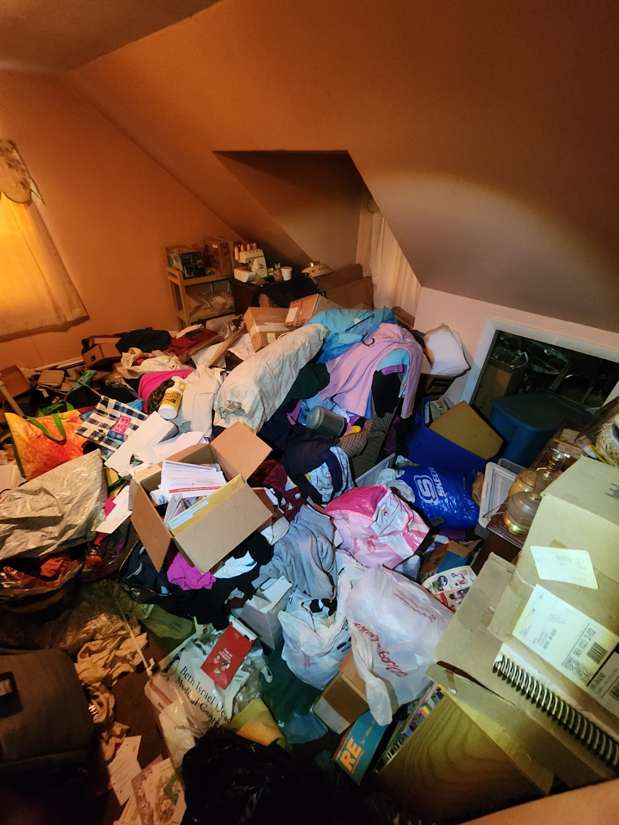
A hoarding cleanout can become chaotic when every item turns into a separate decision. Families make better progress when they establish rules before the crew arrives and separate emotional decisions from the physical removal process.
Choose one decision-maker
Multiple relatives giving conflicting instructions is one of the fastest ways to stop a cleanout. Decide who has final authority for the job and who can approve changes.
Other family members can still participate, but the crew should know whose direction controls when there is disagreement.
Create simple categories before work starts
Do not try to build a complicated sorting system in the middle of the cleanout. Use a small number of clear categories such as keep, remove, documents/valuables, and undecided.
The undecided category should be limited. If half the property becomes undecided, the cleanout stops functioning.
- Keep
- Remove
- Documents / valuables
- Undecided — limited area only
Protect documents and meaningful items
Before large-scale removal begins, identify the types of items that require extra attention: legal papers, family photographs, jewelry, cash, keys, medications, firearms where lawfully handled by the appropriate party, and sentimental items.
The removal crew should understand which categories need to be set aside rather than disposed of.
Work by zone
Clearing one room or zone at a time creates visible progress and keeps decision-making contained. It also opens safe working space for the crew.
Jumping randomly between rooms can scatter keep piles and make it harder to know what has already been reviewed.
Define the end condition
Some family cleanouts end when all unwanted contents are removed. Others require cleaning, deodorizing, rodent cleanup, or property preparation for sale.
Agree on the final condition early so the project does not keep expanding after the original cleanout is complete.
Local planning in Massachusetts
Families handling hoarding properties in Haverhill, Newburyport, Salem, Peabody, Revere, Boston, and surrounding Massachusetts communities often have to make decisions quickly because of estate timelines, housing changes, inspections, or sale deadlines. A structured decision process prevents urgency from turning into confusion.
The practical takeaway
A successful family hoarding cleanout needs one decision-maker, a limited sorting system, protected categories for valuables, room-by-room progress, and a clearly defined finish line.
For a property-specific plan, start with photos or contact Junk Response. You can also review our Q&A for pricing, cleanout labor, demolition, specialty conditions, and commercial workflows.

