
JUNK RESPONSE GUIDE
Gross Filth Cleanup After Junk Removal: How to Separate Removal From Cleaning
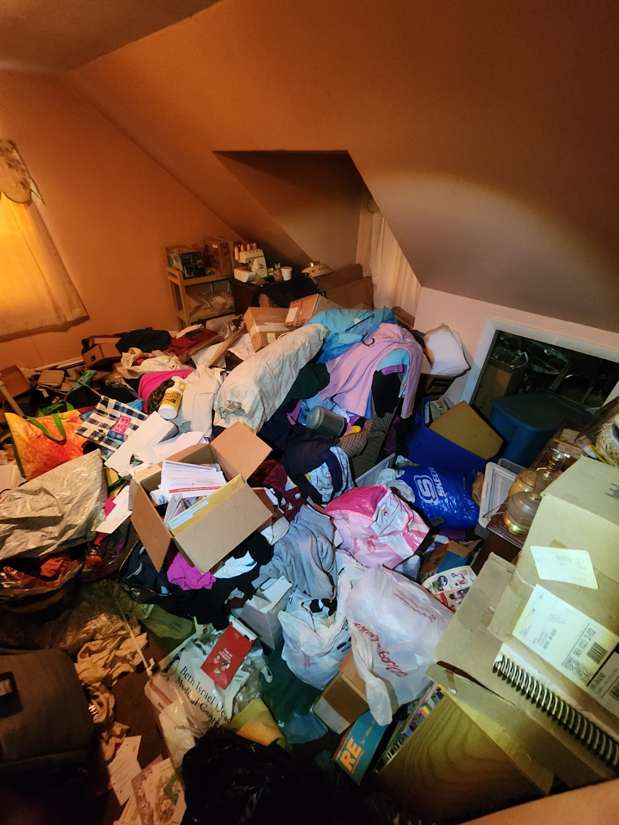
Gross filth conditions can involve accumulated trash, food waste, staining, residue, pests, odor, and inaccessible surfaces. The safest and most predictable approach is usually to separate the project into phases instead of treating everything as one undifferentiated cleaning job.
Phase one is controlled removal
Before detailed cleaning can happen, bulk contents and loose debris need to be removed in a way that does not unnecessarily spread material throughout the property.
That phase may include sorting obvious keep items from waste, bagging loose material, removing furniture and appliances, and creating working access to floors and surfaces.
The property may change once it is opened up
Conditions hidden under piles or furniture can be materially different from what was visible during the estimate. Pest activity, liquids, staining, sharps, damaged flooring, or structural deterioration may appear only after removal starts.
A good scope allows those discoveries to be documented and reviewed rather than forcing the crew to guess.
Cleaning should follow the contaminant
Different residues require different methods. Ordinary soil, grease, food residue, fecal contamination, urine, and unknown chemicals should not automatically be treated the same way.
The condition of porous materials matters too. Some surfaces can be cleaned; others may need removal or separate evaluation.
Avoid cosmetic shortcuts
Painting over residue or using fragrance before the source is addressed can hide a problem temporarily without resolving it. The same is true of deodorizing a room that still contains contaminated porous material.
Cleaning should be based on removal of gross soil and source material first.
The final standard should be explicit
Gross filth jobs vary widely. Some clients need the property emptied and gross debris removed. Others need detailed cleaning, deodorizing, selective demolition, or preparation for renovation.
Put the finish standard in writing so everyone understands what completion means.
Local planning in Massachusetts
Gross filth conditions occur in every type of property, from apartments in Greater Boston to single-family homes on the North Shore and in the Merrimack Valley. Access, occupancy, neighboring units, and the next use of the property all affect how the project should be sequenced.
The practical takeaway
Treat gross filth work as a phased property project: controlled removal, condition assessment, detailed cleaning, specialty treatment if needed, and a clearly defined final standard.
For a property-specific plan, start with photos or contact Junk Response. You can also review our Q&A for pricing, cleanout labor, demolition, specialty conditions, and commercial workflows.

