
JUNK RESPONSE GUIDE
Foreclosure and REO Cleanouts in Massachusetts: From Abandoned Contents to Property Ready
Foreclosure and REO properties can contain everything from ordinary household contents to years of deferred maintenance. The cleanout should be planned as a property transition project, not just a hauling job.
Start with authorization and a defined scope
REO work often involves several layers of approval: asset manager, preservation company, broker, owner, lender representative, or local vendor. Before work starts, establish who can approve the scope and who can authorize changes.
The removal company should know exactly which structures and contents are included. Vehicles, locked containers, documents, appliances, fixtures, sheds, and materials that appear to have value may require separate instructions.
Abandoned does not always mean ordinary
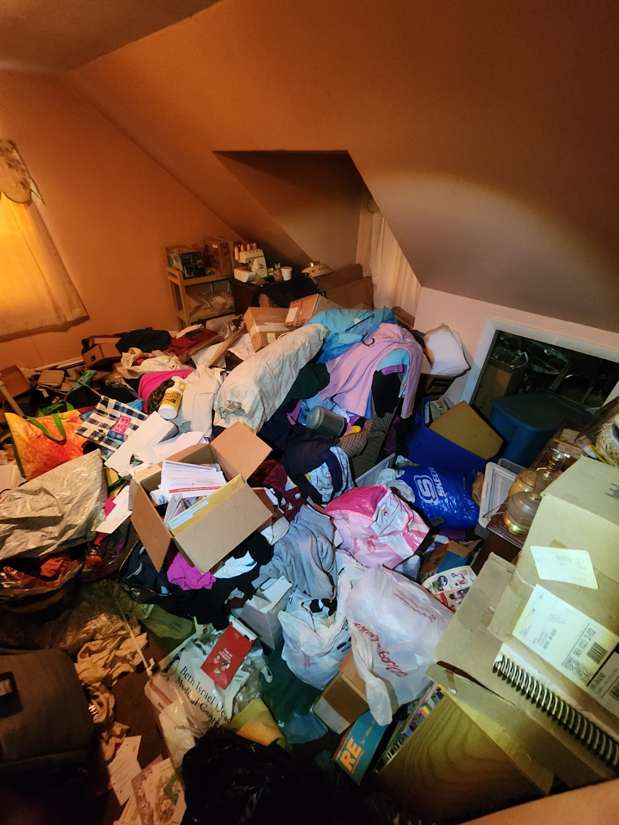
A vacant house may look like a basic cleanout until the contents begin to move. Rodent droppings under furniture, leaking refrigerators, spoiled food, urine, pest activity, damaged ceilings, unknown liquids, and mold-like growth can change how the work must be handled.
That is why a visual review should focus on conditions behind and beneath the contents, not only the volume visible in the room.
Separate contents removal from property defects
The cleanout crew should not silently absorb building repairs into a junk-removal scope. Damaged flooring, water-affected drywall, collapsed shelving, broken cabinetry, or unsafe stairs may require selective demolition or a separate contractor.
Clear documentation helps the asset manager decide whether those conditions should be added to the current project or assigned to the next vendor.
Think about the next vendor
A useful REO cleanout leaves the property easier to inspect, secure, repair, photograph, or list. That may mean removing all loose contents, emptying cabinets, clearing basements and garages, and leaving mechanical areas accessible.
Post-removal cleaning can also be important when heavy dust, residue, odor, or pest contamination remains after the property is emptied.
Control changes in scope
Vacant properties create surprises. The right response is not to guess. Photograph the condition, explain what changed, and obtain approval before turning a straightforward cleanout into a larger demolition or specialty project unless emergency conditions require otherwise.
That protects both the client and the contractor.
Local planning in Massachusetts
Massachusetts REO properties can range from dense urban multifamily buildings to older single-family homes across the North Shore and Merrimack Valley. Basement access, narrow stairways, detached structures, and long-neglected storage areas are common planning variables in older housing stock.
The practical takeaway
Treat an REO cleanout as a documented transition from abandoned condition to usable asset. Establish authority, photograph everything, separate junk from building defects, and plan for what the property needs next.
For a property-specific plan, start with photos or contact Junk Response. You can also review our Q&A for pricing, cleanout labor, demolition, specialty conditions, and commercial workflows.

