
JUNK RESPONSE GUIDE
Estate Cleanouts With Multiple Heirs: How to Keep the Process Moving
Estate cleanouts become difficult when the property is not the main problem—the decisions are. Multiple heirs may want different items, live in different states, or have different ideas about how quickly the home should be emptied.
Establish who can authorize the work
Before scheduling, determine who has authority to approve the cleanout and who can make decisions when questions arise. A removal crew should not be placed in the middle of a family disagreement.
If the estate has a personal representative, executor, attorney, or other authorized person, the working instructions should flow through that person.
Create a claim process for family items
Families should identify sentimental or valuable items before production removal begins. One simple method is to create a designated keep area and a deadline for heirs to identify what they want.
Without a cutoff, the crew may repeatedly stop while family members reconsider items throughout the property.
Protect documents and small valuables
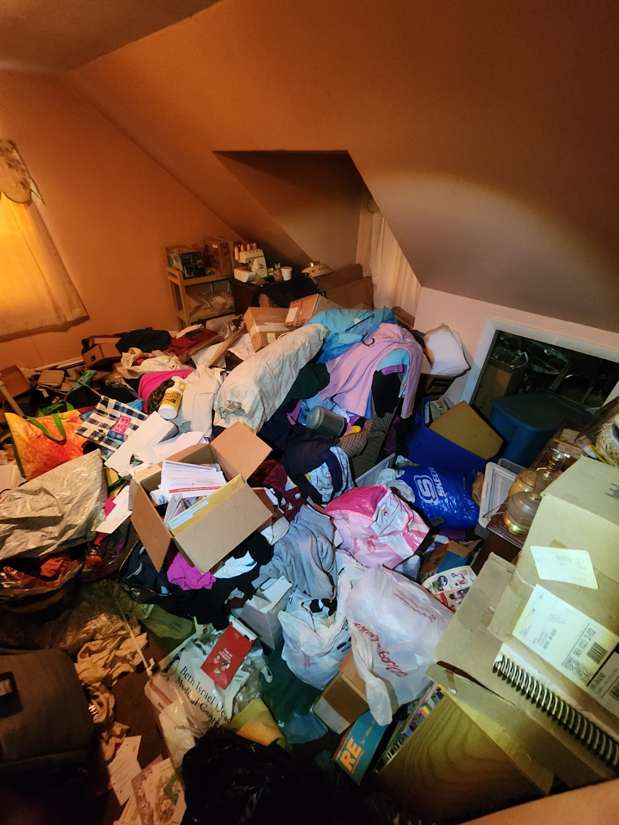
Important papers, jewelry, photographs, keys, cash, collectibles, and small valuables can disappear visually inside a house full of ordinary contents. The family should identify priority categories before the cleanout starts.
If document review is required, build time for it instead of assuming the cleanout crew can make those judgments.
Work from least controversial to most sensitive
Garages, obvious trash, broken furniture, expired household goods, and low-sentiment storage areas can often be cleared first. That creates space and momentum while the family decides what to do with more sensitive rooms.
Visible progress can also make the remaining decisions easier.
Plan for sale preparation separately
An estate cleanout may reveal odor, staining, pest evidence, damaged flooring, old built-ins, or other conditions that affect a sale. Decide whether those issues should be addressed after the contents are removed.
Keeping cleanout and sale-prep decisions distinct makes it easier to understand where the estate is spending money and why.
Local planning in Massachusetts
Estate properties across the North Shore, Merrimack Valley, and Greater Boston often involve heirs who live elsewhere. A photo-based decision process, one authorized contact, and clear documentation can keep the project moving even when not everyone can be at the property.
The practical takeaway
Estate cleanouts move fastest when authority is clear, heirs claim important items before production removal, and sale-preparation decisions are made after the house is exposed.
For a property-specific plan, start with photos or contact Junk Response. You can also review our Q&A for pricing, cleanout labor, demolition, specialty conditions, and commercial workflows.

