
JUNK RESPONSE GUIDE
Commercial Property Cleanouts in Massachusetts: A Better Workflow for Property Managers
Commercial cleanouts are rarely just about removing abandoned furniture. A property manager usually needs access coordinated, contents removed, unusual conditions identified, photos documented, and the space left ready for the next contractor, tenant, inspection, or listing.
Start with the outcome, not the pile
Before anyone talks about how much junk is present, define what the property must look like when the job is finished. A vacant apartment headed into paint and flooring has a different finish standard from a warehouse being cleared for equipment installation. A foreclosure may need documentation for an asset manager. A retail space may need fixtures removed without disturbing what is staying.
The most useful work order answers four questions: what is being removed, what is staying, what access restrictions exist, and what has to happen immediately after the cleanout. That gives the removal company a target instead of forcing the crew to make operational decisions on site.
Build one clean scope before scheduling
A good commercial cleanout scope should identify the address, building or unit number, property contact, access method, deadline, billing reference, and whether the property is occupied. Photos should show every affected area and the route from the material to the loading location.
If there are known conditions such as rodent droppings, strong odor, hoarding, liquids, damaged building materials, needles, or heavy debris, disclose them up front. Those conditions can change labor, protective equipment, disposal, cleaning, and scheduling.
- Property address and unit or suite
- Work-order or PO number
- Access and lockbox instructions
- Photos of each affected area
- Deadline and next-use requirement
- Known specialty or contamination conditions
- Billing and approval contact
Document the property before work starts
Before-and-after documentation is valuable because commercial jobs often involve people who never visit the property. A regional manager, owner, lender, broker, or accounts-payable team may need to understand what was completed without being physically present.
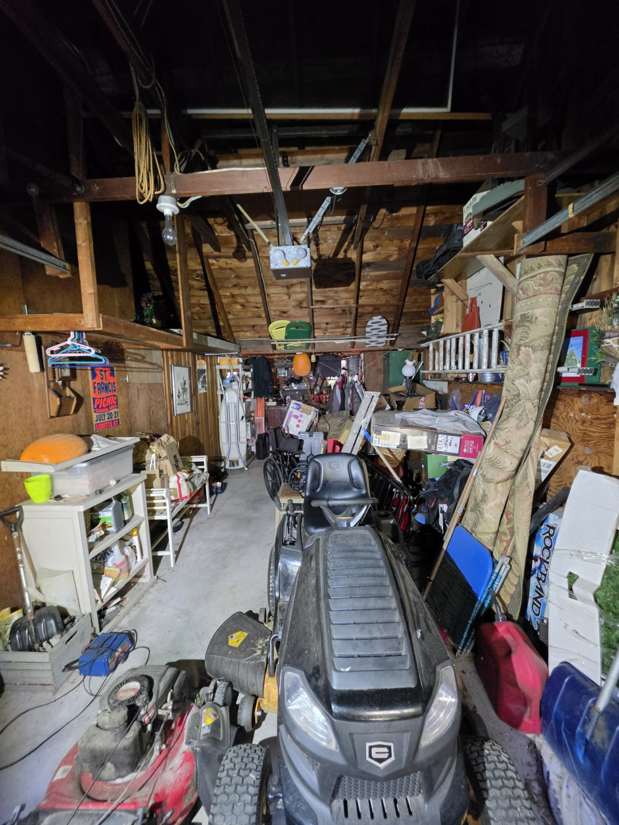
Wide-angle before photos establish the condition of the areas included in the scope. After photos should show cleared rooms, access areas, and any items intentionally left behind. If the scope changes during the job, document the new condition before proceeding whenever practical.
Separate ordinary removal from cleanout labor and specialty work
Commercial clients get better estimates when the job is divided into the work actually being performed. Directly accessible material is primarily a removal problem. Contents scattered throughout offices, apartments, basements, storage rooms, or back-of-house areas add retrieval labor.
Specialty conditions should be treated separately instead of hidden inside a generic junk-removal number. Rodent contamination, gross filth, dense debris, selective demolition, or post-removal cleaning can each require a different work method.
Think one vendor ahead
The cleanout is often the first step in a turnover sequence. If flooring must come out, damaged shelving needs demolition, odors remain after contents are removed, or the property needs detailed cleaning, coordinating those needs before mobilization can save another site visit.
This is where a property-ready model is useful: removal clears the contents, selective demolition removes obsolete or damaged components, and post-removal cleaning prepares the space for whoever is next.
Local planning in Massachusetts
For property managers working across Greater Boston, the North Shore, and the Merrimack Valley, access and scheduling can vary significantly from one property to the next. City apartments may involve elevators and limited parking, while suburban multifamily or commercial sites may offer easier loading access. A consistent intake process matters more than trying to force every property into the same template.
The practical takeaway
The best commercial cleanout is the one that requires the fewest follow-up calls. Define the outcome, document the property, disclose specialty conditions, and build the removal, cleaning, and demolition needs into one coordinated scope whenever possible.
For a property-specific plan, start with photos or contact Junk Response. You can also review our Q&A for pricing, cleanout labor, demolition, specialty conditions, and commercial workflows.

