
JUNK RESPONSE GUIDE
Before-and-After Documentation for Property Cleanouts: What Commercial Clients Should Capture
Documentation is one of the easiest ways to make a property cleanout more professional. It creates a record of what was present, what was removed, what remained, and whether the agreed outcome was reached.
Why documentation matters
Residential customers often see the work in person. Commercial clients may not. A portfolio manager might approve a job from another state, an investor may be preparing a property for resale, and a broker may only need confirmation that the building is ready for photography.
Photos and written notes reduce ambiguity. They help separate pre-existing damage from cleanup work, show that specific rooms were included, and create a useful record when multiple vendors are entering the property.
What to photograph before a cleanout
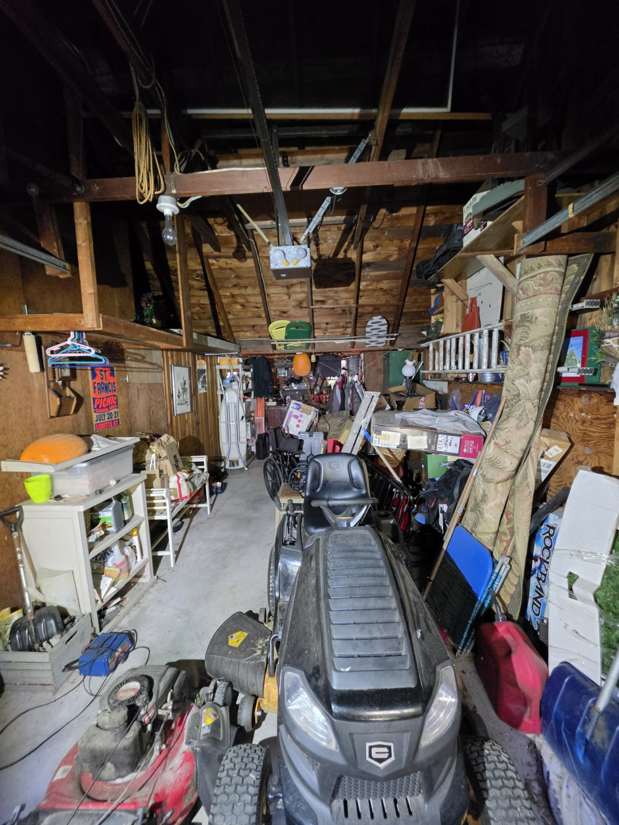
Start with wide views rather than close-ups. The goal is to show the overall condition of each area. Photograph rooms from multiple angles, then document anything unusual that could affect the work.
Access conditions should also be documented. Stairs, narrow halls, elevators, loading docks, gated entrances, long carries, and restricted parking can materially affect how a cleanout is performed.
- Wide view of each room or work area
- Opposite angle showing depth
- Large or unusually heavy items
- Known damage or staining
- Specialty conditions or contamination
- Loading path and access constraints
- Items specifically designated to remain
What to photograph after the work
After photos should prove completion, not just show an empty corner. Use roughly the same viewpoints as the before photos where possible. That makes the comparison immediately understandable.
If some contents were intentionally left behind, document them clearly. If a condition was discovered that was outside the approved scope, record it rather than allowing the final photos to create the impression that the job was incomplete.
Use job identifiers consistently
For recurring commercial work, documentation is much more useful when every record includes the same identifier: property address, unit number, work order, purchase order, or internal job number.
That identifier should appear on the estimate, invoice, email subject line, and photo set whenever practical. It becomes much easier for accounts payable, maintenance, and operations teams to reconcile the work later.
Documentation is not a substitute for scope
Photos are evidence, but they do not replace a clear written scope. A cleanout can look visually complete while still missing an agreed task such as appliance removal, floor sweeping, cabinet emptying, or selective demolition.
The best process combines a concise written scope with clear before-and-after documentation.
Local planning in Massachusetts
Documentation is especially valuable for Massachusetts portfolios where one management company may oversee properties in Boston, Salem, Peabody, Haverhill, Newburyport, and other communities. A standardized photo and job-number process keeps remote decision-makers from having to reconstruct what happened from text messages later.
The practical takeaway
Take broad before photos, document access and exceptions, use matching after views, and attach everything to a consistent property or work-order identifier. The result is fewer disputes and a cleaner commercial workflow.
For a property-specific plan, start with photos or contact Junk Response. You can also review our Q&A for pricing, cleanout labor, demolition, specialty conditions, and commercial workflows.

